
WEIGHT LOSS & FITNESS BLOG
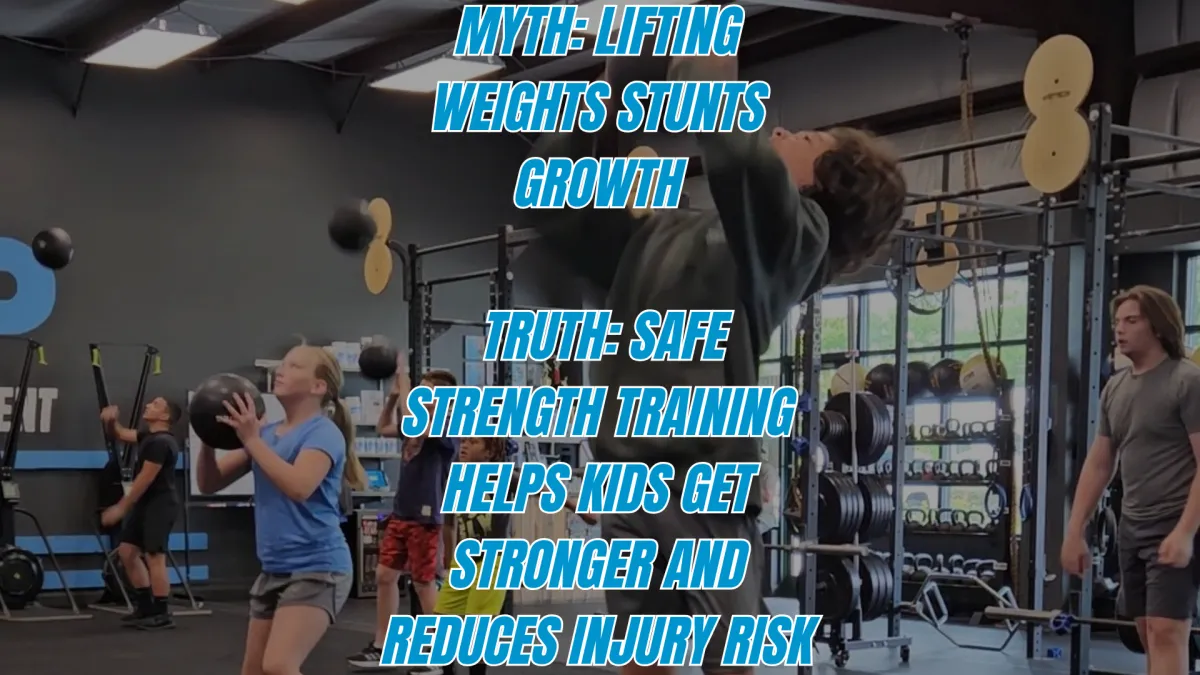
Does Lifting Weights Stunt Growth? (What Parents Need to Know)
If you’re a parent, you’ve probably heard this before: “Don’t let your kid lift weights — it’ll stunt their growth.” It’s one of the most common myths in youth fitness.
And it’s also one of the biggest reasons kids miss out on something that can actually make them:
stronger
more confident
more resilient
and less likely to get injured in sports
So let’s clear this up with facts.
No — strength training does NOT stunt growth
The American Academy of Pediatrics (AAP) has stated that properly designed youth strength training programs can be safe and effective for children and adolescents. AAP Publications+1
The National Strength and Conditioning Association (NSCA) also supports youth resistance training when it’s supervised and age-appropriate. NSCA
The issue isn’t strength training.
The issue is poor coaching, poor technique, and inappropriate loading — the stuff you see when a kid is lifting like an adult without supervision.
What “Strength Training” Actually Means for Kids
When most parents hear “weights,” they picture:
heavy barbells
maxing out
powerlifting meets
That’s not what we’re talking about.
Youth strength training should look like:
bodyweight control first
movement skills
light to moderate resistance
good technique
gradual progress
coaching and supervision
Strength training for youth is about learning how to move well and build a strong foundation.
Why Strength Training is Actually GOOD for Kids
Here’s what the research and major organizations agree on:
✅ Strength training can improve strength and fitness NSCA
✅ It can improve bone health when done properly AAP Publications
✅ It can reduce sports injury risk by strengthening muscles and improving control NSCA
✅ It builds confidence and body awareness (this part matters more than most people realize)
Kids who feel strong tend to move with more confidence and less fear — that’s huge for sports and for life.
What Actually Causes Growth Plate Injuries?
Parents worry about growth plates, and that’s a fair question.
But here’s what the AAP points out:
Most injuries happen from:
accidents
falls
poor technique
uncontrolled movements
unsupervised training
Not from a well-coached, age-appropriate strength program. AAP Publications+1
What a Safe Youth Strength Program Looks Like
If you’re wondering what “safe” means, here’s your checklist:
✅ Must-Haves:
Qualified coach supervising
Technique taught first
Progression is gradual
Training is age-appropriate
Focus is on control, not max weight
Warm-up + cool down
No 1-rep max testing for kids
The NSCA position statement supports this approach and emphasizes proper supervision and technique for youth. NSCA
What Your Kid Should Do Instead of “Maxing Out”
Here’s what I wish every parent understood:
Kids don’t need heavy weights.
They need:
stronger hips
stronger legs
stronger core
better landing mechanics
better sprint mechanics
better balance and control
That comes from:
goblet squats
lunges
push-ups
rowing patterns
carries
jumps and landings (done correctly)
sprint drills
It’s not flashy. But it works.
Your Takeaway
If your child plays sports, strength training isn’t “optional.”
It’s one of the best ways to help them:
stay healthy
perform better
and build confidence
But it needs to be coached correctly.
Want to make sure your child is training safely and the right way?
Book a Youth No Sweat Intro — a free, pressure-free consult where we’ll:
✅ talk about your child’s sport and goals
✅ assess movement basics (squat, hinge, push, pull, run/jump)
✅ recommend the best next step (youth personal training, small group training, or sport performance)
👉 Schedule at bfpnc.com (fill out the contact form)

Are you Ready to become
sTRONG - FIT - cONFIDENT?
Click the Button To Start Your Journey Today!!


